Common mistakes when hiring gardeners in Harrow
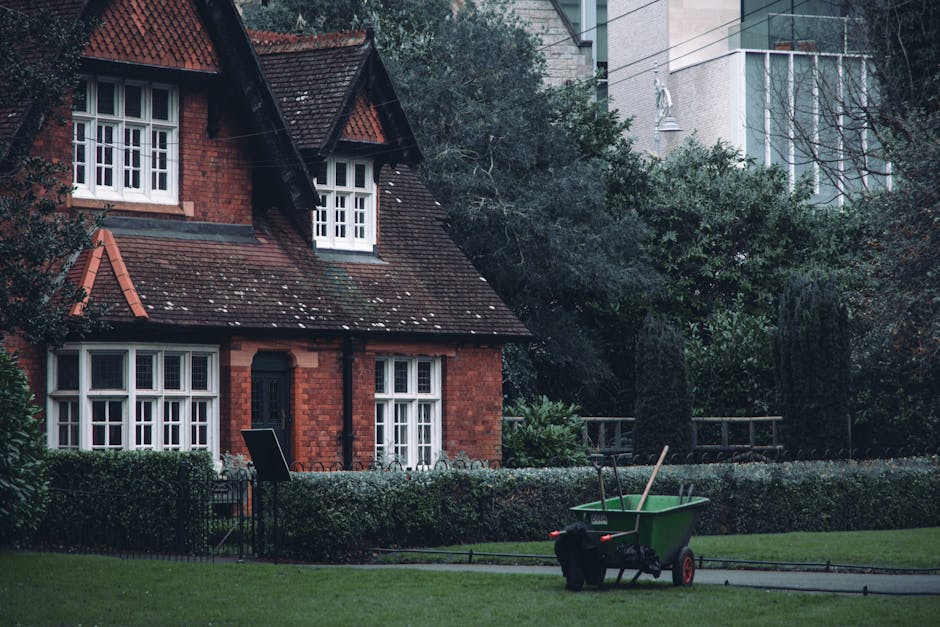
Hiring a gardener should make life easier. Simple enough, right? Yet in Harrow, plenty of homeowners end up with patchy lawns, unfinished hedge cuts, surprise extras, or a job that looks fine for a week and then starts slipping back. The most common mistakes when hiring gardeners in Harrow usually happen before the first spade hits the soil: unclear scopes, rushed decisions, weak checks on insurance, and choosing the cheapest quote without understanding what is actually included.
This guide walks you through the mistakes people make, why they matter, and how to avoid them without turning the whole process into a project of its own. You will get practical advice on pricing, service quality, safety, compliance, and the kind of questions that help you spot a solid gardener before you commit. If you want a better outcome for your garden, this is the place to start.
Why Common mistakes when hiring gardeners in Harrow Matters
A garden is one of those places where small errors can snowball. A missed cut on a hedge becomes a lopsided boundary. Poor lawn care leaves bare patches that take months to recover. Bad clearance work can leave waste behind, damage planting, or create more work for you later. In Harrow, where many gardens are compact, well-used, and a bit tight for access, those mistakes show up quickly.
Truth be told, people often think hiring a gardener is only about labour. It is not. It is about judgement, timing, communication, and knowing what good work looks like. A competent gardener understands the difference between a quick tidy-up and genuine maintenance. They know when a lawn needs treatment, when a hedge should be trimmed lightly rather than hacked back, and when a job needs proper planning because of access, waste volume, or safety concerns.
The other reason this matters is money. A cheap quote can look tempting, but if the work is incomplete or the scope is vague, you can end up paying twice. That is a frustrating way to spend a Saturday, let alone a budget. A better hiring process protects your garden, your time, and your peace of mind.
For larger or mixed jobs, it can help to compare the types of support available, from general gardening services to more specific work like garden maintenance, lawn care, and hedge trimming. Not every gardener does every task at the same level, and that is perfectly normal.
How Common mistakes when hiring gardeners in Harrow Works
The hiring process itself is straightforward, but the decisions inside it are where things go wrong. In practice, it usually works like this: you identify the work needed, ask for quotes, compare what is included, agree a date, and then the gardener carries out the job. The trick is making each step more precise than "Please sort the garden out." That kind of brief is where misunderstandings begin.
A strong booking usually starts with the garden type and the outcome you want. For example, one person may need a one-off garden clearance after a long winter build-up, while another needs regular mowing, edging, and hedge care. Those are different jobs. They need different equipment, different time estimates, and often different pricing structures.
Here is where people slip: they assume every gardener works the same way. Some are maintenance-focused. Some are better suited to tidy-ups. Some handle landscaping or structural changes. Some are excellent at lawn work but less experienced with trees or fencing. If you expect a specialist result, you need to ask for specialist proof. Not a hard sell. Just clarity.
Many reputable providers will also be transparent about practical matters such as pricing and quotes, safety expectations, and what happens if the scope changes once work begins. That kind of openness is usually a good sign. The silence, not so much.
Key Benefits and Practical Advantages
A careful hiring process does more than reduce stress. It improves the garden itself. When you avoid the usual mistakes, you are more likely to get work that looks neat, lasts longer, and suits the space rather than fighting it.
- Better finish quality: Good gardeners work to the condition of the garden, not just the clock.
- Fewer surprise charges: Clear quotes reduce awkward conversations later.
- Safer work: Insurance, risk awareness, and proper handling matter, especially for ladders, tools, or waste.
- Less repeat work: Proper pruning, mowing, and clearance prevent avoidable rework.
- Better long-term value: A well-maintained garden usually needs less rescue work over time.
There is also a quieter benefit that people often overlook: confidence. Once you find a gardener who communicates well and turns up ready, future bookings feel easy. You stop second-guessing everything. You can actually enjoy the garden again, which is sort of the point.
If sustainability matters to you, it is worth asking how green waste and clippings are handled, and whether the business follows a sensible recycling and sustainability approach. Even a simple conversation about disposal can tell you a lot about professionalism.
Who This Is For and When It Makes Sense
This guide is for anyone in Harrow who wants to hire a gardener without guessing their way through it. That includes homeowners, landlords, letting agents, busy families, older residents who need reliable support, and people who have inherited a garden that has slowly turned into a jungle. It also helps if you are preparing a property for sale, dealing with an overgrown boundary, or trying to keep on top of a lawn that seems determined to go its own way.
It makes sense to use this advice when you need one of the following:
- regular garden upkeep
- a one-off tidy-up before an event
- hedge, lawn, or border maintenance
- clearance after long neglect
- support with landscaping or outdoor improvements
- work involving trees, fencing, decking, or hard surfaces
Different jobs call for different levels of skill. For example, a basic mow and edge is not the same as landscape gardening or tree surgery. If your garden includes mature trees, awkward access, or paved areas that need cleaning, that should shape who you hire and how you brief them.
Step-by-Step Guidance
If you want to avoid the usual hiring mistakes, use a calm step-by-step process. Nothing dramatic. Just sensible checking.
- Define the job clearly. Write down what you want done, what areas matter most, and what "finished" should look like. Be specific about lawns, hedges, borders, patios, waste removal, and access.
- Separate essential work from nice-to-have work. A reliable gardener can then quote accurately, and you can prioritise if needed.
- Ask what is included. Labour only? Waste disposal? Materials? Fuel? Digging? Ladder work? This is where hidden costs often lurk.
- Check insurance and safety arrangements. If tools, ladders, or tree work are involved, this is not a box-ticking exercise. Ask directly and keep the answer simple.
- Compare like for like. Two quotes may look similar until you realise one includes disposal and another does not. Apples and oranges, basically.
- Confirm timings and access. In Harrow, side access, parking, and neighbour boundaries can affect how smoothly a job runs.
- Agree communication before work starts. If something unexpected turns up, who decides what happens next?
- Review the finished work quickly. Check edges, waste clearance, visible damage, and whether the job matches the brief.
A little extra effort at the start usually saves a lot later. That is the honest version. Not glamorous, but true.
Expert Tips for Better Results
Small details make a huge difference. Here are the habits that tend to separate smooth jobs from awkward ones.
1. Ask for a brief explanation of the method
Good gardeners can usually explain how they would approach the work without sounding scripted. For example, they should be able to say whether a lawn needs cutting high first, whether a hedge should be shaped gradually, or whether a border needs clearing before replanting. If the answer is vague, that is useful information too.
2. Notice how they handle your questions
Do they answer clearly, or do they dance around the subject? You do not need a dissertation. You do need confidence. A professional who respects your time will usually respect your property as well.
3. Be realistic about season and weather
Gardens do not behave neatly just because the calendar says they should. After a wet spell, lawns are softer. In dry weeks, some plants are stressed. A good gardener will adjust rather than force the same routine every visit. You will notice the difference over time.
4. Keep your own expectations tidy
This sounds obvious, but it matters. If you want a low-maintenance finish, say so. If you want a lush border, say that too. Not every "tidy" means the same thing. One person's neat and minimal is another person's a bit bare.
And yes, sometimes the best tip is simply this: do not rush because you are busy. A ten-minute conversation can save a two-hour headache. I know, not thrilling advice. Very effective though.
Common Mistakes to Avoid
This is the heart of it. Most bad hiring outcomes can be traced back to one or more of the following mistakes.
| Mistake | What it looks like | Why it causes trouble | Better approach |
|---|---|---|---|
| Choosing only on price | The cheapest quote wins without checking scope | Extras, shortcuts, or poor finish quality can wipe out the saving | Compare what is actually included |
| Not defining the job | "Just tidy the garden" with no detail | Misunderstanding, uneven work, and disappointment | List specific tasks and priorities |
| Ignoring insurance and safety | No questions about risk or cover | More exposure if something goes wrong | Ask for reassurance before the booking |
| Skipping experience checks | Assuming every gardener can do every job | Poor results on specialist work such as trees or landscaping | Match the gardener to the task |
| Not agreeing on waste removal | Clippings or branches left behind | More labour for you and possible disposal issues | Confirm removal in advance |
| Expecting instant transformation | One visit to fix months of neglect | Unrealistic finish, rushed decisions, higher costs | Break large jobs into stages |
One more mistake that catches people out? Not checking whether the service is really maintenance, clearance, or improvement work. Those are different offers. A quote for routine mowing will not cover heavy overgrowth or a border reset, and that is fair enough.
For example, someone might book what they think is a simple tidy-up, then discover half the garden needs clearing first. That can be fine, but only if everyone knows it before work starts.
Tools, Resources and Recommendations
You do not need specialist gear to hire a gardener well, but a few practical tools help you make a better decision:
- A basic garden brief: write down areas, issues, and goals before you request quotes.
- Photos from a few angles: useful for showing access, overgrowth, or problem spots.
- A simple budget range: helps filter out options that are clearly too cheap or too broad.
- A comparison note: track what each quote includes so you are not relying on memory.
- A list of priorities: if the budget is tight, decide what must be done first.
From a service perspective, it can also help to explore related work if your garden needs more than a standard cut. For example, a tired lawn may need lawn mowing plus broader lawn care. Overgrown edges may lead naturally into garden clearance. A cracked or weathered border might even point toward fencing or decking services if you are improving the layout.
If you are trying to decide whether the garden needs maintenance, renovation, or a structural change, stepping back and looking at the whole space is usually the best move. Sounds obvious, but we all miss it sometimes when the grass is up around the ankles.
Law, Compliance, Standards, or Best Practice
Garden work can involve safety, access, waste, and occasionally tree-related tasks, so a little care around compliance is sensible. You do not need to become an expert in regulations, but you should expect a professional approach.
In the UK, good practice usually means checking that the gardener works safely, uses suitable equipment, and handles waste properly. If tree work is involved, it is wise to ask whether the business has the right competence for pruning, removal, or surgery-level tasks rather than assuming all outdoor work is interchangeable. That distinction matters more than many people realise.
Insurance is another practical issue. If a ladder slips, a stone is chipped, or something is damaged during work, you want to know the business has a sensible approach to risk. That is why pages such as insurance and safety and health and safety policy matter to careful customers. They are not just formalities. They tell you the company takes its responsibilities seriously.
It is also fair to expect clear business terms around payments, cancellations, and complaints. If a provider offers written terms and a visible terms and conditions page, that usually helps set expectations. Likewise, a clear complaints procedure can be a sign that the company is willing to stand behind its work.
None of this needs to feel heavy. It is just the sensible layer underneath good garden work. A little boring, maybe. Very useful, definitely.
Options, Methods, or Comparison Table
Not every garden job should be hired in the same way. Here is a simple comparison that helps you choose the right approach.
| Hiring method | Best for | Pros | Watch out for |
|---|---|---|---|
| One-off tidy-up | Seasonal refresh, overgrowth, pre-event prep | Quick, flexible, good for immediate impact | Can mask longer-term maintenance needs |
| Regular maintenance | Lawn, hedges, borders, routine upkeep | More consistent results, less catch-up work | Needs a clear schedule and agreed scope |
| Specialist task booking | Trees, landscaping, structural improvements | Better expertise for technical work | May cost more, but that is usually justified |
For many homeowners, the right answer is a mix. A maintenance visit keeps the garden in shape, while separate specialist work handles the bigger jobs. That is often cleaner than trying to force everything into one appointment.
Case Study or Real-World Example
Here is a realistic example. A Harrow homeowner wanted a small front garden "sorted" after months of neglect. The first quote was low and looked attractive, but it only covered a basic cut. No waste removal, no border work, no hedge shaping. The second quote was higher, but it included clearance, edging, and disposal. The third quote sat in the middle and asked several smart questions about access, shrubs, and whether the side path could take bags and cuttings.
The homeowner chose the middle option after the questions made the service feel more thoughtful. Good call, as it turned out. The first visit revealed heavier waste than expected, a patchy lawn, and a boundary hedge that needed careful trimming rather than a hard cut. Because the scope had been discussed properly, the work was split across two visits instead of being rushed. The result looked neat, felt manageable, and did not leave the homeowner with a pile of green waste and a headache.
That is the point, really. The best outcomes often come from the least dramatic process. Clear conversation. A sensible quote. No mystery.
Practical Checklist
Use this checklist before you book anyone:
- Have I written down exactly what needs doing?
- Do I know whether this is maintenance, clearance, landscaping, or a specialist job?
- Have I asked what is included in the quote?
- Do I understand whether waste removal is included?
- Have I checked insurance and safety arrangements?
- Have I compared the quotes on the same basis?
- Have I looked at whether the gardener seems suitable for the size of the job?
- Have I thought about access, parking, and timing?
- Do I know who to contact if the scope changes?
- Have I kept a written note of the agreement?
Expert summary: The safest way to hire a gardener is to treat the first conversation like a brief, not a guess. Clear scope, clear price, clear expectations. Everything else gets easier after that.
Get a free quote today and see how much you can save.
Conclusion
The biggest mistakes when hiring gardeners in Harrow usually come from speed, vague instructions, and comparing quotes too casually. Once you slow the process down a little, the whole thing becomes much easier to manage. You do not need to be an expert. You just need to ask better questions, define the job properly, and choose a gardener whose service matches the work you actually need.
That might mean a simple mowing visit, a more involved maintenance plan, or support with clearance, landscaping, or trees. Whatever the job, clarity saves money and frustration. And if you get that right, the garden starts feeling like a place you want to spend time in again, which is a lovely thing on an ordinary afternoon.
Care a little at the start, and the garden will usually repay you. Quietly, steadily, in its own time.
Frequently Asked Questions
What is the most common mistake people make when hiring gardeners in Harrow?
The most common mistake is choosing on price alone without checking what is included. A cheaper quote can look good at first, but if it excludes waste removal, edging, or the level of work you expected, you may end up paying more later.
How do I compare gardener quotes properly?
Compare them line by line. Look at labour, waste removal, materials, access issues, and whether the quote is for one visit or ongoing maintenance. If one quote is much lower, check whether it is actually for less work.
Should I hire a gardener for one-off work or regular maintenance?
It depends on the garden's condition. A one-off visit suits a tidy-up or clearance. Regular maintenance is usually better if you want the garden kept under control all year. In many cases, a mix works best.
What should be included in a gardener's quote?
A useful quote should explain the tasks covered, any waste disposal arrangements, and any assumptions about access or materials. If something feels unclear, ask before agreeing. It is much easier than correcting things later.
Do I need to ask about insurance when hiring a gardener?
Yes, especially if the job involves ladders, heavy tools, trees, or work near property boundaries. You are not being awkward by asking. You are being sensible.
How can I tell if a gardener is experienced enough?
Ask how they would approach the job, not just whether they can do it. A good gardener should explain the method in plain English and show understanding of the specific task, whether that is lawn care, hedge trimming, or clearance.
Is garden clearance the same as garden maintenance?
No. Garden clearance usually deals with overgrowth, debris, or a neglected space. Garden maintenance is about keeping a garden in good condition once it is already under control. They are related, but not the same.
What should I do if the gardener finds more work than expected?
Pause and agree the next step before extra work begins. You may choose to split the job into phases, adjust the budget, or prioritise the most important areas first. Clear communication helps avoid awkward surprises.
Can a gardener also help with fencing or decking work?
Sometimes, yes, but not every gardener offers the same scope. If your garden improvement plan includes boundaries or hard landscaping, check whether the provider has the right service for that work before you assume they do.
How do I avoid paying for work I do not want?
Be specific from the start. Write down the areas to be worked on, the finish you want, and anything you do not want touched. A short written brief can save a lot of confusion.
What are the signs of a reliable gardener?
Clear answers, sensible questions, transparent pricing, and a professional attitude to safety are all good signs. Reliability often shows up in the small things: punctuality, neat communication, and a quote that makes sense.
When does it make sense to ask for specialist help?
Ask for specialist help when the job goes beyond routine maintenance, such as trees, landscaping, major clearance, or hard-surface improvements. Specialist work usually needs different skills and sometimes different equipment, so it is worth matching the task properly.