Health and Safety Policy for Gardeners Rayners Lane
 Health and safety is central to every professional gardening service, and this policy sets out the standards expected from gardeners in Rayners Lane when working on domestic or commercial outdoor spaces. The aim is to reduce risk, protect workers and clients, and ensure every task is completed responsibly. Whether the work involves hedge cutting, lawn care, planting, clearance, or ongoing maintenance, a safe working approach is essential from start to finish.
Our gardening health and safety approach focuses on identifying hazards before work begins, using suitable equipment correctly, and maintaining good working practices at all times. Outdoor environments can change quickly, so careful planning is required to manage uneven ground, slippery surfaces, sharp tools, manual handling demands, and exposure to weather. By following a consistent safety framework, Rayners Lane gardeners can protect everyone involved while maintaining high standards of workmanship.
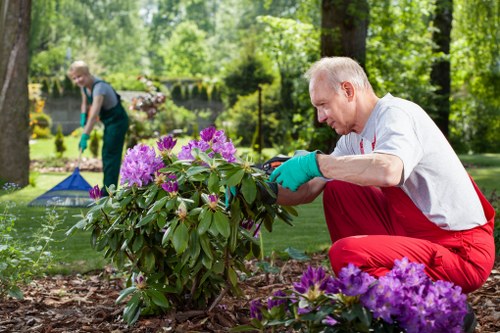 A strong policy also supports efficiency, because safer methods reduce delays, prevent avoidable incidents, and help teams work with confidence. This means every gardener must understand the risks linked to the job, follow site-specific instructions, and use protective measures appropriate to the task. The result is a more controlled service that balances quality, professionalism, and responsibility.
Core Safety Principles
All work carried out by garden maintenance professionals should begin with a simple but thorough assessment of the site. This includes checking for hidden hazards such as broken glass, unstable paving, concealed holes, nesting insects, low branches, or poorly stored tools. If a risk cannot be managed immediately, the task should be paused until it can be resolved safely. Clear communication is also important so that everyone on site understands the plan for the day.
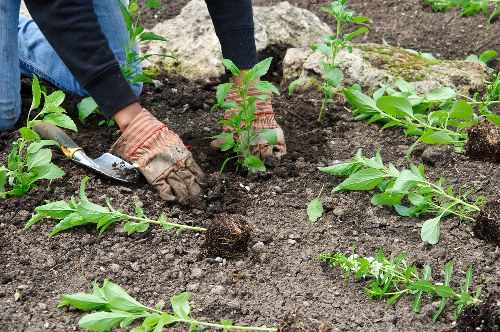 Personal protective equipment plays a vital role in a safe gardening service. Depending on the task, this may include gloves, safety footwear, eye protection, hearing protection, high-visibility clothing, and weather-appropriate layers. Equipment should be checked before use, kept in good condition, and replaced when damaged. Proper clothing and equipment reduce the likelihood of cuts, strains, slips, and other preventable injuries.
Safe use of machinery and tools is equally important. Gardeners must only operate equipment they are trained to use, and all machinery should be maintained according to manufacturer recommendations. Blades, trimmers, mowers, and power tools must be stored securely when not in use, and they should never be left unattended in an unsafe state. Gardeners Rayners Lane should also ensure that fuel, cords, batteries, and accessories are handled with care to prevent fire, trip, and electrical hazards.
Working Practices and Risk Control
Manual handling is one of the most common sources of injury in landscaping and maintenance work. Heavy bags of soil, compost, waste materials, stones, and plants should be moved with proper lifting technique and, where possible, assisted by trolleys or team lifting. Repetitive tasks should be managed with breaks and task rotation to reduce strain. A thoughtful approach to physical work supports both worker wellbeing and service reliability.
Weather conditions can affect safety throughout the year, so gardening work should be adjusted to suit the environment. In hot weather, workers need hydration, sun protection, and rest periods. In wet or icy conditions, surfaces may become slippery and visibility may be reduced, so extra caution is needed. Strong winds can also make pruning, ladder work, and the handling of lightweight materials more hazardous. A flexible safety policy helps local gardeners make sensible decisions based on real conditions rather than fixed routines.
When working around clients, residents, pets, vehicles, or nearby access routes, clear boundaries must be maintained. Tools should never block exits or pathways, and waste should be collected promptly to avoid creating a hazard. If children, animals, or members of the public may enter the area, additional safeguards should be used. Good housekeeping is a simple but effective way to reduce risk and keep the site orderly.
Training, Reporting, and Responsibility
Safety depends on people as well as procedures. Every team member should receive appropriate training in tool handling, hazard awareness, safe lifting, and emergency response. Supervisors or senior workers must ensure that instructions are understood and that standards are followed consistently. Ongoing refresher learning supports a stronger safety culture and keeps practices aligned with current expectations.
Incidents, near misses, and unsafe conditions should always be reported promptly so corrective action can be taken. This includes minor cuts, equipment faults, damaged surfaces, exposure to hazardous materials, or any situation that could have caused harm. Recording these issues helps improve future decision-making and allows recurring problems to be addressed before they lead to more serious consequences.
 Emergency planning is another essential part of a reliable Rayners Lane gardening policy. Teams should know how to respond to injuries, contact emergency services if needed, and secure the site quickly. First aid supplies should be available where appropriate, and workers should understand the basic steps for dealing with common gardening-related incidents such as cuts, strains, or eye irritation. Preparedness improves confidence and reduces the chance of confusion during unexpected events.
Commitment to Safe and Professional Service
Gardeners Rayners Lane are expected to combine practical skill with careful judgment on every project. Health and safety is not an isolated task; it is part of the overall service standard. By planning jobs properly, using equipment responsibly, maintaining clear communication, and respecting the risks of outdoor work, gardeners can deliver dependable results while protecting people and property.
Clients also benefit from knowing that the work is being carried out under a clear safety policy. A professional gardening service should be organised, tidy, and attentive to possible hazards from the first visit to the final clean-up. This includes checking the work area after completion, disposing of waste appropriately, and leaving the space in a safe condition for continued use.
 In summary, a strong health and safety policy for gardeners supports careful planning, responsible tool use, staff wellbeing, and consistent quality. It creates a dependable framework for managing everyday risks in outdoor environments while helping every project run smoothly. For any gardening service in Rayners Lane, safety should remain a priority at every stage of the job, ensuring a professional result delivered with care and confidence.