What to know about access problems for Rayners Lane gardeners
If you live in Rayners Lane, you already know that a garden can look simple from the street and still be awkward once you step through the side gate. Tight passageways, shared drives, overgrown fronts, locked rear access, basement steps, parking restrictions, and neighbours who are just out at the wrong moment can all slow things down. That is the real issue behind What to know about access problems for Rayners Lane gardeners: it is not just about getting tools into a garden, it is about making the whole visit safe, efficient, and workable.
In practice, access problems affect the price, the time on site, the type of work that can be done, and even the tools that make sense to bring. A small hedge trim can become a two-person carry job. A simple lawn cut can turn into a careful planning exercise. And if there is any heavy lifting, waste removal, or tree work involved, the access route matters even more. The good news? Most access issues can be managed with a bit of preparation and clear communication.
This guide explains the common access obstacles gardeners run into locally, how professionals usually approach them, what to check before booking, and how to avoid those slightly annoying day-of-visit surprises. Truth be told, a lot of access trouble is preventable once you know what to look for.
Why What to know about access problems for Rayners Lane gardeners Matters
Access sounds like a small detail until it becomes the detail. A garden may be perfectly ordinary once you are inside it, but getting there can be the problem. In Rayners Lane, where properties may have narrow side returns, terraced layouts, shared boundaries, or parking that disappears at school-run time, access can change the whole shape of a job.
Why does that matter? Because access affects more than convenience. It influences safety, efficiency, waste handling, and how much disruption a gardener causes to the property. If a mower has to be lifted over a step, or cuttings need to be carried through a house, the work takes longer and the risk of damage rises. Nobody wants scratched paintwork or clipped bedding because a wheelbarrow had nowhere sensible to go.
It also matters for expectations. Some jobs are straightforward with standard access. Others need a rethink before they start. A regular maintenance visit might be fine with a side gate and a clear path. But a landscaping project, hedge reduction, or tree surgery task could need wider access, more time, or a different team setup. That is why good local gardeners ask questions early rather than later.
There is another layer too: neighbours, shared spaces, and local parking pressure. In suburban London, the practical side of a job often comes down to where vans can stop and whether equipment can be unloaded without blocking the road. If you have ever watched someone try to reverse a van around a tight cul-de-sac on a wet morning, you will know exactly what I mean.
Practical takeaway: access is not a side issue. It can determine price, timing, crew size, safety measures, and whether the job is done neatly or awkwardly.
How What to know about access problems for Rayners Lane gardeners Works
Most access planning starts before anyone arrives on site. A responsible gardener will usually want to know how they get into the garden, where they can park, how far materials must be carried, and whether there are any narrow paths, locked gates, pets, or fragile surfaces to consider. It is a simple conversation, but it saves a lot of friction later.
The process normally goes like this:
- Initial enquiry: you describe the garden, what needs doing, and any obvious access issues.
- Clarifying questions: the gardener may ask about gates, steps, side access, shared drives, height restrictions, and parking.
- Risk check: if the job involves heavier work, the team considers whether extra people, smaller equipment, or more time is needed.
- Quote or visit plan: the price or schedule may reflect the practical difficulty of reaching the work area.
- Arrival and setup: tools, waste bags, and equipment are brought in using the safest route available.
- On-the-day adjustments: if the route is tighter than expected, the team may adapt with hand-carry methods or different tools.
For smaller tasks, this can be fairly simple. A lawn cut or weeding session may only need a clear path and access to an outside tap. But for bigger jobs, access is a planning question in its own right. Gardeners often prefer a few accurate details up front rather than a vague "yes, it should be fine." To be fair, "should be fine" has caused many an unnecessary headache.
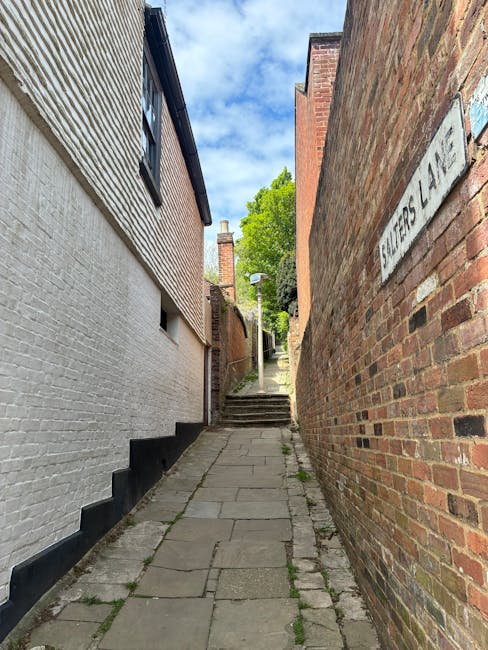
There are also different kinds of access problems. Some are physical, like steps or narrow openings. Some are logistical, like no parking nearby. Some are social, like needing permission from a neighbour for a shared passage. And some are seasonal, like winter mud, icy paths, or overgrown sections that narrow the route even more. If you are thinking about garden work in colder months, a read through preparing garden plants for winter success can help you see how seasonal conditions complicate access and timing.
Key Benefits and Practical Advantages
It might sound odd to talk about benefits when the subject is basically "things getting in the way," but good access planning has real upsides. In everyday terms, it makes the whole job calmer. Less rushing. Fewer last-minute decisions. Better results.
Here are the main advantages:
- Faster work on site: tools get where they need to go without repeated detours.
- Lower risk of damage: walls, paving, gates, and indoor flooring stay better protected.
- Cleaner finish: less dragging of soil, foliage, and waste through awkward routes.
- Better pricing accuracy: clear access helps avoid awkward surprises in the quote.
- Safer working conditions: fewer trip hazards and fewer heavy lifts in poor positions.
- Less neighbour friction: sensible planning reduces blockages and boundary issues.
There is also a subtle but important point: access planning helps gardeners choose the right methods. A compact battery mower may be ideal where a large machine would be a nuisance. Smaller hand tools can sometimes beat power tools if they save ten minutes of carrying and one damaged border. That is why good planning is not just about entry points; it is about matching the work to the reality of the space.
If you are reworking a neglected patch, access gets even more important because overgrowth often hides the route in. In that situation, it can help to read a new beginning transforming your neglected garden, since overgrown spaces and access issues usually arrive as a pair.
Who This Is For and When It Makes Sense
Access problems affect more people than you might think. It is not just owners of compact terraces or flats with rear courtyards. Bigger gardens can have access headaches too, especially when the route is long, uneven, or shared with neighbours.
This topic is especially relevant if you:
- have a narrow side passage or alley;
- share access with another property;
- need a gardener to work around parked cars;
- have steep steps, slippery paving, or level changes;
- want hedge cutting, tree work, or fencing where bulky equipment is involved;
- have pets, children, or vulnerable surfaces that need extra care;
- are arranging a one-off tidy-up after a long gap;
- need regular maintenance but the entry route is awkward every time.
It also makes sense for landlords, managing agents, and homeowners preparing for sale. If you need the garden to look better quickly, access can be the difference between a tidy turnaround and a job that stalls because the team cannot work efficiently. The same goes for people planning wider changes like landscaping or new fencing, where the route for materials matters just as much as the design itself.
And yes, even a small job can become annoying if the access is poor. A simple hedge trim sounds easy until clippings have to be lugged through a kitchen because the rear gate won't open properly. Small thing, big difference.
Step-by-Step Guidance
If you want smoother gardening visits, treat access like a mini project. It does not need to be overcomplicated. A few sensible checks can prevent most issues.
1. Walk the route first
Start at the point where the gardener would naturally enter. Look for tight turns, locked gates, uneven paving, low branches, bins, bikes, or anything else that narrows the route. If you would hesitate while carrying a heavy bag of compost, so would the team.
2. Measure the pinch points
You do not need a tape measure for everything, but knowing the narrowest gate width, step height, or side passage length is very useful. It helps with equipment decisions. Even rough measurements are better than guesswork.
3. Think about parking and unloading
Where can a vehicle stop without creating problems? Is there permit parking? Is the bay often full? Can the team unload close enough to avoid long carries? A route that looks fine on paper can become awkward by 8:30 in the morning.
4. Remove avoidable clutter
Bins, plant pots, hose reels, scooters, furniture, and delivery parcels can all become trip hazards or barriers. Clearing them before the visit makes the work smoother and usually safer. It also gives the gardener a little more room to manoeuvre, which helps when they are carrying awkward tools.
5. Check for fragile surfaces
Fresh turf, loose gravel, soft beds, painted decking, or decorative paving can all need protection. If access means crossing a sensitive area, say so early. That way the gardener can plan mats, boards, or a gentler route.
6. Mention pets and gates
Dogs in particular can change the flow of a job. A friendly dog is lovely; a dog who thinks every stranger is a burglar is a little less convenient. Let the gardener know if animals need to be secured or if gates must stay closed at all times.
7. Agree the waste route
Cuttings, branches, soil, and old materials need somewhere to go. If waste has to pass through the house, that changes the setup. If a bulk bag can be placed at the front, that may save a lot of carrying. It is worth deciding this before the first snip of the secateurs.
Expert Tips for Better Results
After enough site visits, a pattern emerges. The best jobs are rarely the ones with perfect gardens. They are the ones where the access plan is realistic. Here are some tips that genuinely help.
- Share photos before the visit. Pictures of gates, steps, side entries, and parking help far more than a quick verbal description.
- Be honest about the awkward bits. If the gate sticks or the key is temperamental, say so. It saves time and frustration.
- Leave the route clear the night before. Especially for early appointments. The morning can be rushed, and no one enjoys moving a pile of plant pots in the drizzle.
- Use smaller jobs to test the setup. If you are unsure whether access works smoothly, start with routine maintenance before booking bigger work.
- Ask how the team will protect surfaces. Reputable gardeners will usually have a sensible answer, not a shrug.
- Plan around weather where possible. Wet conditions can turn a slightly awkward route into a slippery one.
A good local approach often involves tailoring the service to the site, not forcing the site to suit the service. That might mean using lighter equipment, splitting the work into stages, or adjusting arrival time to avoid parking pressure. If you are thinking about how equipment choice affects the whole visit, the article on choosing the right tools for the outdoor enthusiast is a useful companion read.
And yes, sometimes the best tip is the simplest one: open the gate before the gardener arrives. Wild concept, I know.
Common Mistakes to Avoid
Most access problems are not disasters. They are just missed details. The trouble is that missed details tend to multiply in the real world, especially once tools, waste, and time pressure are involved.
- Assuming access is obvious: what looks easy to you may be tricky with equipment in hand.
- Forgetting about parking: no parking means extra carrying, and extra carrying means extra time.
- Leaving clutter in the way: it slows the team and increases the risk of accidents.
- Not mentioning shared access: neighbours may need warning or permission.
- Ignoring weather impact: rain, frost, and mud make surfaces less forgiving.
- Booking heavy work without checking routes: tree work or fencing often needs more room than routine maintenance.
- Being vague about site condition: vague descriptions lead to vague planning, which is not ideal.
Another common slip is underestimating how long access-related setup can take. A job may be straightforward once work begins, but if the route involves a long carry through a narrow side passage, the setup and pack-down matter almost as much as the work itself. It is a bit like making tea in a kitchen with no counter space. Doable, yes. Efficient? Not quite.
Tools, Resources and Recommendations
You do not need specialist equipment to make access easier, but a few practical items help a lot. These are the sorts of things that save both time and tempers.
- Basic measuring tape: useful for gate widths, steps, and narrow openings.
- Phone camera: photos of the route, gates, and parking are often enough to brief a gardener.
- Outdoor gloves and sturdy footwear: handy if you are clearing the way yourself.
- Wheelbarrow or garden trolley: good for longer carries where the route allows.
- Temporary floor protection: boards or mats may be used on delicate paths where appropriate.
- Storage boxes or tidy stacks: great for moving toys, pots, and tools out of the access line quickly.
There is also a planning angle. If your garden has ongoing access issues, it may be worth thinking about structural changes that make life easier in the long run. Fencing, decking alterations, and landscaping changes can all affect how people and tools move through the space. Even something as simple as a clearer path edge can make future maintenance less fiddly.
For homeowners dealing with repeated boundary or entry problems, the site's wider service pages on fencing, landscaping, and garden maintenance can help you think through whether the access issue is a one-off hassle or a layout problem worth solving properly.
Law, Compliance, Standards, or Best Practice
Access planning is not usually about grand legal drama, but there are still sensible duties and standards to keep in mind. In the UK, anyone working on a site should think about safe movement, manual handling, and avoiding damage to property or people. That is especially relevant when carrying heavy equipment, working around vehicles, or sharing boundaries with neighbours.
In practical terms, best practice usually means:
- keeping walkways clear where possible;
- avoiding unsafe lifting or carrying routes;
- making sure gates and entry points are secured properly;
- respecting shared access arrangements;
- using appropriate personal protective equipment where needed;
- being cautious near fragile surfaces, children, and pets.
If waste is being removed, it should be handled with care and disposed of responsibly. If work involves ladders, tree branches, or uneven ground, the access route matters even more because it affects stability and escape routes. A good gardener will not treat access as an afterthought; they will fold it into the task plan from the start.
For reassurance on how a provider thinks about this side of the job, it is sensible to review the website's health and safety policy, insurance and safety, terms and conditions, and payment and security information. Those pages do not solve access problems by themselves, obviously, but they do show the kind of standards customers should expect around risk and service clarity.
Options, Methods, or Comparison Table
There is no single way to handle poor access. The right method depends on the type of work, the layout, and how much disruption you can tolerate. Here is a straightforward comparison.
| Method | Best for | Advantages | Possible drawbacks |
|---|---|---|---|
| Standard access with full equipment | Open gardens, easy drive-up parking, clear gates | Fastest setup, simplest pricing, efficient for recurring maintenance | Not suitable where entry routes are tight or fragile |
| Hand-carry setup | Narrow side passages, shared entrances, short distances | Flexible and often workable without major changes | More labour, slower pack-down, can affect cost |
| Smaller tools and compact kit | Restricted urban gardens, delicate surfaces, routine care | Less disruption, easier movement, safer in tight areas | May take longer for heavier work or large clearances |
| Staged work plan | Big clearances, overgrown gardens, landscaping jobs | Breaks the job into manageable parts, improves control | Can require more visits or longer completion times |
| Access improvements before work starts | Long-term maintenance issues, repeated disruption, chronic bottlenecks | Helps future jobs, improves safety and usability | May involve extra cost or coordination at the outset |
For recurring garden care, a compact routine with lawn care or lawn mowing may be much easier to manage than one-off heavy intervention. That is especially true where the access route is awkward but stable enough for regular visits.
Case Study or Real-World Example
Here is a realistic example from the sort of job that comes up all the time. A homeowner in Rayners Lane wants a front and rear tidy-up before family comes round at the weekend. The back garden is fine once you are in, but the only route is a narrow side passage with a slight bend, a low wall, and a bin store that gets in the way on collection day.
At first glance, it seems like a straightforward maintenance visit. But once access is discussed properly, a few things become clear. The gardener brings smaller hand tools rather than a larger machine for part of the job. Waste bags are staged nearer the exit point. The homeowner clears pots and bikes the night before. A quick note is left for the neighbour whose gate shares the passage, so nobody is surprised by movement in the space. Nothing dramatic. Just organised.
The result is simple: the work gets done without scraping the wall, the route stays clear, and the team is not forced to keep carrying cuttings through the house. If the access had been ignored, the same job would probably still have happened, but messier, slower, and more expensive. That is the whole point, really.
We see similar patterns with larger improvements too. A garden that has been neglected for a while may need a careful first visit before it becomes easy to maintain again. That is where essential tips for budding gardeners can also be helpful in a broader sense, because the same tidy habits that help beginners also make access simpler for anyone doing the work.
Practical Checklist
Use this quick checklist before any gardening visit where access might be tricky.
- Have I walked the full route from entry point to garden?
- Are gates unlocked, functional, and wide enough for what needs to pass through?
- Is parking available close enough for loading and unloading?
- Have I cleared bins, bikes, toys, tools, and stray pots from the route?
- Do I need to warn a neighbour or ask permission for shared access?
- Are there steps, slopes, or slippery sections that need extra care?
- Will any pets need to be secured while work is underway?
- Do I need to mention fragile paving, decking, turf, or borders?
- Have I sent photos or measurements if the route is tight?
- Do I know how waste will leave the property?
- Is there anything seasonal, like mud or frost, that could make access worse?
If you can tick most of those off, you are already ahead of the game. And if not, that is fine too. The point is to spot the issues before someone arrives carrying a hedge trimmer and a full bag of cuttings.
Conclusion
Access issues are one of those garden realities that people only think about after they have become a nuisance. But once you start looking properly, they are surprisingly predictable. In Rayners Lane, the most common problems are usually simple ones: narrow routes, parking pressure, shared entrances, awkward gates, and clutter that gets in the way. The fix is rarely glamorous. It is just thoughtful planning, honest communication, and the right setup for the space.
If you remember one thing, make it this: access is part of the job, not a side note. The smoother the route in, the smoother the work tends to be. That helps the gardener, helps your property, and frankly makes the whole experience less stressful. Which is a nice change, because gardens are supposed to calm things down a bit, aren't they?
Get a free quote today and see how much you can save.
If you are dealing with a tight gate, a shared path, or a garden that looks easy until you try to reach it, it is worth getting tailored advice before the work begins. A quick conversation now can save you a lot of faff later.
Frequently Asked Questions
What counts as an access problem for a gardener?
Anything that makes it harder to reach the work area safely and efficiently counts as an access problem. That may include narrow gates, steep steps, blocked paths, poor parking, shared entrances, or routes that are too long for carrying tools and waste comfortably.
Do access problems usually change the price?
They can, yes. If access means more carrying, extra setup time, smaller tools, or a longer visit, the cost may reflect that. The exact impact depends on the job and how difficult the route is.
Should I mention access issues before booking garden work?
Definitely. It is much better to mention them early, even if they seem minor. A clear photo or a short description can help the gardener plan the visit properly and avoid surprises on the day.
What if my only access is through the house?
That can still work for some jobs, but it needs careful handling. You should tell the gardener in advance so they can decide whether the route is practical and how to protect floors and interior spaces.
Can gardeners work with narrow side passages?
Often, yes. Narrow side passages are common in London properties. The key is whether the passage is safe, clear, and wide enough for the tools or materials being carried. Smaller equipment may be the best option.
How do parking restrictions affect gardening visits?
Parking can make a big difference, especially for larger jobs. If the vehicle cannot stop near the property, the team may need extra time to unload and carry equipment, which can affect efficiency and sometimes price.
What should I clear before the gardener arrives?
Move bins, bikes, toys, loose pots, garden furniture, and anything else that narrows the route. It sounds basic, but it really helps. A clear path is safer and usually speeds the whole job up.
Are access problems more common for one-off jobs than regular maintenance?
Usually, yes. Regular maintenance visits are easier to plan because the route and workload are familiar. One-off clearances or overgrown gardens can reveal hidden access issues that were not obvious before.
Do I need to worry about neighbours if access is shared?
It is wise to keep neighbours in mind. If shared gates, driveways, or side passages are involved, a quick heads-up can prevent confusion or conflict. It is one of those small gestures that saves awkwardness later.
What happens if access is worse than expected on the day?
A good gardener will usually adapt if possible, maybe by adjusting tools, changing the work order, or reshaping the visit. If the access issue makes the job unsafe or impractical, the work may need to be rescheduled or re-scoped.
Can access problems affect waste removal?
Yes, absolutely. If cuttings, soil, branches, or old materials must be moved through a narrow or fragile route, waste handling takes longer and needs more care. That is why the exit route matters just as much as the entrance.
Is there a simple way to make future garden visits easier?
Yes. Keep the route clear, maintain gates and locks, avoid clutter, and think ahead about parking and storage. If access is a recurring issue, small layout changes can make future maintenance much easier. Sometimes the little fixes are the ones you notice every single week.