Local gardeners for Rayners Lane estate front gardens: a practical guide to neat, welcoming kerb appeal
Front gardens do a lot of quiet work. They greet visitors, soften brickwork, frame a path, and set the tone before anyone reaches the front door. For estate properties in particular, the front garden has to look tidy, work hard in all seasons, and stay manageable without becoming a weekly burden. That is where Local gardeners for Rayners Lane estate front gardens can make a real difference. They understand the practical side of shared streets, the look that suits local homes, and the small details that stop a front plot from slipping into "I'll deal with it later" territory. Let's be honest, later rarely arrives.
This guide walks through what local front-garden care actually involves, how the work is planned, which improvements make the biggest visual impact, and how to choose the right help without overcomplicating things. If you are weighing up routine upkeep, a refresh, or a full tidy-up after a neglected spell, you will find a clear route here. And if you want to compare services as you read, you can also look at garden maintenance, lawn care, and landscaping as part of a broader plan.
Why Local gardeners for Rayners Lane estate front gardens Matters
A front garden is not just decoration. On estate roads, it is part of the whole streetscape. A tidy lawn, controlled hedging, clean edges, and healthy planting can make a row of homes feel cared for, lived in, and calm. That matters whether you are a homeowner, a landlord, or looking after a property on behalf of family. It also matters because front gardens are usually the first thing to show stress: compacted soil, patchy grass, weeds pushing through paving, or shrubs that have outgrown their space.
Local knowledge helps because Rayners Lane gardens often face the same familiar mix of conditions: variable shade, disturbed soil near paths and driveways, wind exposure in open plots, and a need for year-round neatness rather than a wild cottage-garden look. A gardener who works locally will usually have a better feel for what survives, what needs extra water, and what becomes too much work for a small front plot. To be fair, that experience saves time as much as it saves money.
There is also a visual and social side. On estates, one untidy front can make a whole stretch look less cared for. Conversely, one well-kept plot can lift the feel of the whole row. That is not a dramatic claim; it is just how people respond to a clean edge, healthy planting, and a path that looks like it belongs to a home, not a neglected corner.
If the garden has got away from you a little, the right starting point is often not a big redesign. It is a sensible reset, such as the approach discussed in a new beginning for a neglected garden. Small wins matter first.
How Local gardeners for Rayners Lane estate front gardens Works
In practice, the work usually starts with a short site assessment. A local gardener will look at what is already there, what is thriving, what is struggling, and what is simply in the wrong place. That first walk-round often reveals more than people expect. A front lawn may not need replacing at all; it may just need scarifying, feeding, edging, and a better mowing pattern. A border may be full of potential but crowded with the wrong plants.
From there, the service is usually broken into manageable tasks. These might include:
- grass cutting and edging
- hedge trimming and shaping
- weed removal from borders, paths, and paving joints
- mulching and soil improvement
- pruning shrubs back into proportion
- replacing weak or overgrown plants with simpler alternatives
- cleaning hard surfaces so the planting does not sit next to grimy paving
In a small front garden, the job is rarely about "more". It is about balance. A neat lawn with a strong edge, a couple of resilient plants, and one or two tidy structural elements can look far better than a crowded bed with too many competing colours. If you want to see how a gardener might handle the maintenance side on a recurring basis, the garden maintenance service page is a useful reference point.
There is also seasonal planning. In spring and summer, the focus may be structure, growth, and presentation. In autumn, the aim shifts towards tidiness and preparing plants for colder weather. A good local gardener will not treat every visit the same way. That sounds obvious, but plenty of poor garden care does exactly that.
Key Benefits and Practical Advantages
Front-garden care pays back in a few very direct ways.
- Better kerb appeal: A smart front garden makes a property feel more welcoming and often more valuable in the eyes of visitors or buyers.
- Less ongoing effort: When a layout is simplified properly, maintenance becomes easier rather than harder.
- Healthier planting: Plants chosen for the right position tend to need less rescue work later.
- Safer access: Overgrown paths, hidden edges, and slippery growth on paving are easier to avoid when everything is regularly managed.
- More reliable seasonal appearance: A well-planned front garden can still look composed in winter, which is half the battle in the UK climate.
There is a financial angle too. If you are trying to avoid repeated emergency fixes, smaller and more regular interventions often work better than occasional dramatic overhauls. That is why some homeowners pair front-garden work with lawn mowing or lawn care rather than waiting until the grass has turned into a problem.
A quieter benefit is peace of mind. You stop noticing the same mess every time you leave the house. You stop thinking, "I really should deal with that border." And honestly, that mental relief is worth something. It makes the whole place feel lighter.
Who This Is For and When It Makes Sense
This kind of service suits a wide range of people, but some situations come up again and again.
Homeowners who want a smarter first impression
If your front garden is the first thing people see, even a modest improvement can transform the house. This is especially true if the plot is small and every inch is visible from the street. Small spaces magnify both good and bad decisions.
Busy households with no time for frequent upkeep
When weekday life is already full, the front garden tends to become a "someday" task. A local gardener can keep it in check so it does not become a once-a-year ordeal.
Landlords and property managers
Front gardens often need to be presentable without becoming high-maintenance. Simple planting, clear edges, and regular cutting are usually a better fit than anything fussy.
Older residents or families helping them
Some tasks are physically awkward rather than technically difficult. Hedge trimming, lifting waste, edging paths, and pruning low shrubs can be a lot for one person. A bit of outside help removes that strain.
People recovering neglected spaces
If the garden has been left for months, or even years, it may need a reset before anything else makes sense. In those cases, the first job is often to clear, assess, and simplify. After that, a more attractive and manageable scheme can be built.
For some readers, the right next step is not a full redesign. It is a thoughtful tidy and a lighter planting plan. For others, a more structural refresh may suit better, especially if paths, fencing, or boundaries need attention. That is where broader help like fencing or landscaping can be part of the conversation.
Step-by-Step Guidance
If you are planning a front-garden project, a simple sequence keeps things sane. No need to overthink it.
- Assess the current state. Look at sunlight, drainage, weeds, soil condition, and what is already growing. Note what you dislike, but also what is worth keeping.
- Define the purpose. Ask what the garden should do: look tidy, provide a little privacy, soften the frontage, or stay as low-maintenance as possible.
- Clear the clutter. Remove dead growth, broken pots, stray self-seeders, and anything blocking the main view of the space.
- Sort the structure. Decide on the main shapes first: lawn, path, border, hedge line, or a simple bed. Structure before decoration. Always.
- Improve the soil where needed. Many front gardens benefit from compost, organic matter, or better drainage. If you want practical composting guidance, see crafting nutrient-rich soil from organic scraps.
- Choose plants for the conditions. Shade, wind, and thin soil are all common in front gardens. Pick accordingly rather than trying to force a plant to perform miracles.
- Set a maintenance rhythm. Decide what needs weekly, monthly, and seasonal care. The best front gardens are not the most elaborate ones; they are the ones that stay on top of things.
- Review after a few weeks. Plants settle, weather changes, and a border can look very different once spring growth kicks in. Adjust where necessary.
A useful small trick is to think in layers. Ground layer, mid-layer, and vertical layer. Ground cover can suppress weeds and soften edges. Mid-height shrubs add structure. A modest hedge or climber can bring shape without dominating the frontage.
If weeds are your biggest headache, you may find the article on maintaining a weed-free environment helpful. It is the boring part of gardening, yes, but the boring part is often what keeps a front garden looking good.
Expert Tips for Better Results
Here is the sort of advice that tends to make a visible difference without creating more work later.
Keep the palette tight
Too many plant types can make a front garden feel messy even if each plant is healthy. A small, repeated palette usually looks more intentional. Two or three dependable textures often beat a dozen competing shapes.
Use ground cover where it earns its keep
Ground cover is not just decorative. It can reduce bare soil, help suppress weeds, and make beds look finished. Some of the more useful options are covered in UK ground cover plant varieties and vital ground cover plants for a lush garden. Choose plants that suit your light levels and soil. Not the other way round.
Trim with purpose, not just habit
Neat hedges and shrubs are important, but over-trimming can leave everything looking flat and tired. The best pruning keeps the plant's natural shape while controlling width and height. If you want a deeper look at shaping, have a glance at advanced hedge trimming shapes.
Think about winter early
Front gardens are especially exposed in colder months. A well-prepared border will handle wind and frost better, and it will not look abandoned by November. The guide on preparing garden plants for winter success is worth a look if you want to avoid the usual seasonal panic.
Keep surfaces clean too
A sharp lawn edge next to dirty paving is like wearing a good coat with muddy shoes. It jars. Pair planting work with patio or path cleaning for a much better finish. The patio cleaning service can help the whole frontage read as one complete space.
Expert summary: The best front gardens are usually not the fanciest ones. They are the ones with a clear structure, a limited plant palette, and a maintenance rhythm that fits real life. Simple, yes. But simple done properly is hard to beat.
Common Mistakes to Avoid
Most front-garden disappointments come from a handful of avoidable mistakes. I see the same patterns again and again.
- Choosing plants for the picture, not the site: A plant can look beautiful in a pot and still hate your front border.
- Ignoring mature size: That tiny shrub will not stay tiny for long. It really won't.
- Overcrowding: A packed bed often looks promising for a month, then messy for years.
- Leaving edges unfinished: Weak edging makes even healthy planting look neglected.
- Letting one problem spread: A little weed patch, a leaning hedge, or a tired patch of lawn can drag the whole look down.
- Skipping seasonal checks: Wind, frost, and damp can damage plants if no one is watching for changes.
Another common issue is trying to fix everything in one weekend with no clear plan. That usually ends with tired arms, half-finished beds, and bags of soil sat by the gate for three days. Better to do a little well than a lot badly.
If the garden needs structural support, overgrown trees, or boundary changes, broader services such as tree surgery and hedge trimming in Rayners Lane may be more appropriate than trying to keep clipping around a bigger problem.
Tools, Resources and Recommendations
Good gardening does not require a van full of gadgets. Still, the right tools make a difference, especially on a front garden where precision matters.
- Hand shears: useful for shaping smaller hedges and finishing edges cleanly.
- Bypass secateurs: better for clean pruning cuts on living stems.
- Spade and border fork: useful for lifting, turning, and improving soil.
- Stiff broom and leaf rake: ideal for keeping paths, steps, and thresholds neat.
- Edging tool or half-moon edger: helps the lawn and border look crisp.
- Mulch and compost: these support long-term soil health and moisture retention.
If you want a broader toolkit overview, the guide on choosing the right tools for the outdoor enthusiast is a practical place to start. And if you are trying to improve soil quality naturally, making nutrient-rich soil from organic scraps can be a very good habit to build.
For front gardens that need a calmer, more private feel, you might also want to think vertically. The piece on vertical garden designs is useful if wall space, trellis work, or narrow planting zones are part of the picture. Not every front garden has room for big statements, so vertical interest can do a lot of heavy lifting.
And if the aim is simple resilience, especially on a windy open frontage, wind-resistant garden techniques offers helpful ideas for structural planting and shelter.
Law, Compliance, Standards and Best Practice
Front-garden work is usually straightforward, but there are still sensible standards to keep in mind. If work involves ladders, power tools, heavy waste, or access near driveways and public paths, safety should be part of the plan from the start. Good practice is not a bonus; it is the job.
For households and landlords, the important things are usually practical rather than legal jargon: keep access routes clear, avoid creating trip hazards, manage waste responsibly, and make sure any work near boundaries does not create disputes. If hedges, trees, or retaining features affect visibility, drains, or neighbouring property, it is wise to take a careful, measured approach.
Professional gardeners should also be clear about insurance and safe working methods. If that matters to you, take a look at insurance and safety information and the health and safety policy. Those pages matter because a tidy garden is only genuinely good service when it is handled responsibly.
Where service terms, payments, or complaint handling are relevant, you may also want to review the relevant company policies, including terms and conditions, payment and security, and the complaints procedure. That is just sensible due diligence. Nobody enjoys reading the fine print, but it can prevent awkwardness later.
Options, Methods and Comparison Table
Different front gardens need different approaches. A simple comparison can help you decide what suits your plot and your budget.
| Approach | Best for | Pros | Trade-offs |
|---|---|---|---|
| Routine maintenance | Front gardens that already have a decent layout | Cost-effective, keeps things tidy, low disruption | Does not solve deeper structural issues |
| Soft refresh | Plots that look tired but are broadly workable | Better planting, cleaner lines, stronger kerb appeal | May still need periodic fine-tuning |
| Full redesign | Neglected or badly arranged front gardens | Clears problems, rebuilds the space from scratch | More time, more planning, usually a bigger budget |
| Maintenance plus clean-up | Homes where planting and paving both need attention | Strong visual finish, immediate improvement | Can be more work up front |
For many estate front gardens, the best result comes from the middle two options. A soft refresh can be surprisingly powerful when paired with tidy edges, improved soil, and a few well-chosen plants. You do not always need to start with a blank slate.
If the idea is to bring a tired space back to life, the article on transforming a neglected garden is a good companion read. It helps you think in terms of recovery, not perfection.
Case Study or Real-World Example
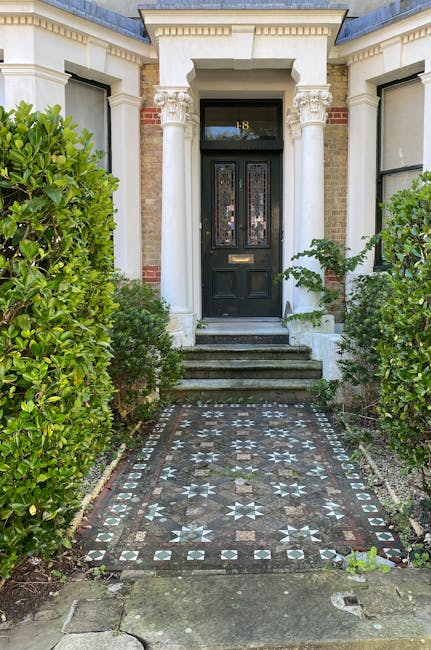
Imagine a typical Rayners Lane estate frontage: a small lawn, a narrow border against the wall, a short path to the door, and a hedge that has drifted wider than it should. Nothing disastrous. Just a bit unruly. The kind of garden that quietly starts asking for apologies every time you look at it.
In a real-world refresh like this, the first visit would usually focus on clearing the obvious issues: weeds, fallen leaves, ragged edges, and any dead or overcrowded growth. The next step would be to decide what stays. Often, one or two shrubs are worth keeping, while the rest are better removed or reduced. A compact planting scheme might then replace the clutter with ground cover, a couple of seasonal interest plants, and a neat mulch layer.
The hedge would be trimmed back to a cleaner line, the lawn cut and edged properly, and the path cleared so the frontage felt open again. The goal would not be to make it look like a show garden. It would be to make the house feel cared for, balanced, and easy to maintain from that point onward.
That sort of project often pairs nicely with advice from fast-growing hedge varieties when privacy matters, or green climbers for shaded areas if the front garden has awkward light conditions. It is rarely about one magic plant. It is about matching the plant to the space, then maintaining it with a light touch.
Truth be told, most people do not want a dramatic front garden. They want one that looks like someone actually looks after it. That is a much more achievable goal, and usually a nicer one too.
Practical Checklist
Use this checklist before or during a front-garden project:
- Have you assessed sunlight, shade, wind, and drainage?
- Do you know which plants are staying and which are going?
- Is the lawn manageable, or does it need more structured care?
- Are the edges of borders, paths, and lawns clearly defined?
- Have you checked for weeds in paving and border corners?
- Do you have a seasonal plan for winter, spring, and summer?
- Have you chosen plants that suit a compact or exposed site?
- Are there any safety issues with overgrown shrubs, slippery paving, or low branches?
- Do you need regular maintenance rather than a one-off tidy?
- Have you compared the cost of a soft refresh against a full redesign?
If you can tick most of those boxes, you are in good shape. If not, that is fine too. It just means the garden is telling you what it needs.
To explore next steps or request help with a project, visit the contact page and talk through what the front garden is doing now, not what you hope it magically does on its own.
Get a free quote today and see how much you can save.
Conclusion
Local gardeners for Rayners Lane estate front gardens bring more than labour. They bring judgement, local familiarity, and a practical eye for what will actually hold up in a real front garden through real weather, real schedules, and real life. That is the difference between a space that merely survives and one that quietly improves the whole feel of the property.
If you keep the structure simple, choose plants carefully, and stay ahead of the seasonal basics, the front of your home becomes easier to live with and nicer to come back to. Nothing overdone. Nothing fussy. Just a front garden that looks right when you pull up to it on a wet Tuesday evening, which, let's face it, is when it matters most.
And if you are still deciding how much work to do, start small. A neater edge, healthier soil, and one sensible planting choice can change the whole mood of the place. That is usually where the real momentum begins.
Frequently Asked Questions
What do local gardeners for Rayners Lane estate front gardens usually help with?
They usually handle mowing, edging, weeding, hedge trimming, pruning, border tidying, soil improvement, and simple planting that keeps the front of the home looking neat and manageable.
How often should a front garden be maintained?
That depends on the size and planting style, but many front gardens benefit from frequent light upkeep rather than occasional heavy work. Grass and weeds tend to make their presence known quickly.
Is a small front garden worth professional help?
Yes, often more so than larger gardens. Small spaces show mistakes very quickly, so tidy lines and sensible plant choices can have an outsized impact.
Can a neglected front garden be rescued without starting from scratch?
Usually, yes. A lot of neglected spaces can be recovered with clearing, pruning, soil improvement, and a simpler planting plan. Total rebuilds are only needed when the layout is genuinely failing.
What plants work best for a low-maintenance front garden?
That depends on shade, wind, and soil, but in general you want tough, compact plants with reliable form. Ground cover, sturdy shrubs, and repeated structural planting often work well.
Do front gardens need different care from back gardens?
They often do. Front gardens are more visible, usually smaller, and often need a cleaner, more structured look. Back gardens can sometimes be looser; front gardens usually cannot.
How can I make my front garden look better quickly?
Start with weeds, edges, and overgrowth. Then clean the path or paving, trim hedges, and simplify the planting. Those changes tend to give the biggest visual lift fastest.
What should I ask before hiring a gardener locally?
Ask what is included, how often maintenance would be needed, whether waste is removed, and how they handle safety and insurance. It is also sensible to ask for a clear quote and scope of work.
Are ground cover plants useful in front gardens?
Very much so. They can reduce bare soil, help with weed control, and create a finished look. The key is choosing plants suited to the site, not just the look you want.
What if my front garden gets a lot of wind or shade?
Then plant choice matters even more. Shade-tolerant climbers, sturdier hedging, and wind-resistant planting can make a big difference. For tricky spots, careful planning beats trial and error every time.
Should I combine garden maintenance with patio cleaning or lawn care?
Often, yes. A tidy lawn can still look tired beside dirty paving, and clean paving can look unfinished next to poor edging. Combining services usually creates a more complete result.
How do I know whether I need a full redesign or just maintenance?
If the layout works and the main issue is neglect, maintenance or a soft refresh may be enough. If the space is awkward, overgrown, or badly arranged, a broader redesign may be worth considering.
For a practical next step, review your front garden with fresh eyes, note the three biggest problems, and decide whether you need maintenance, a refresh, or a bigger rethink. That simple approach usually cuts through the noise nicely.